United States
 New Zealand



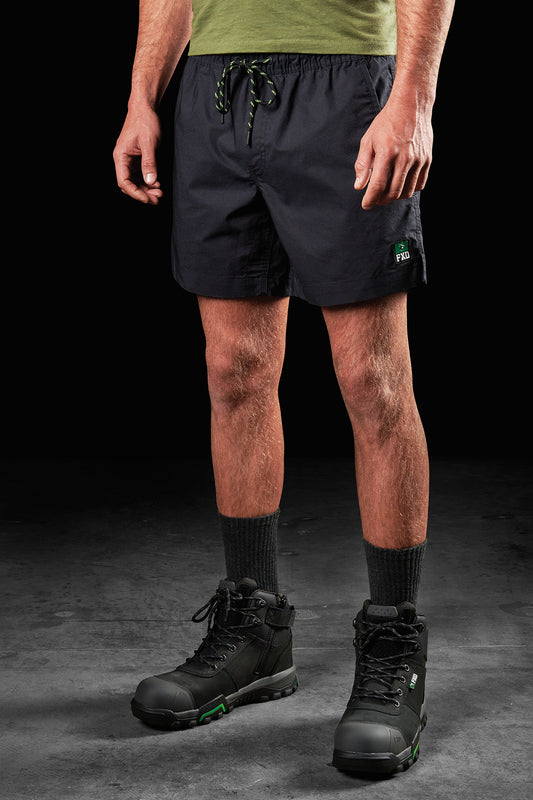
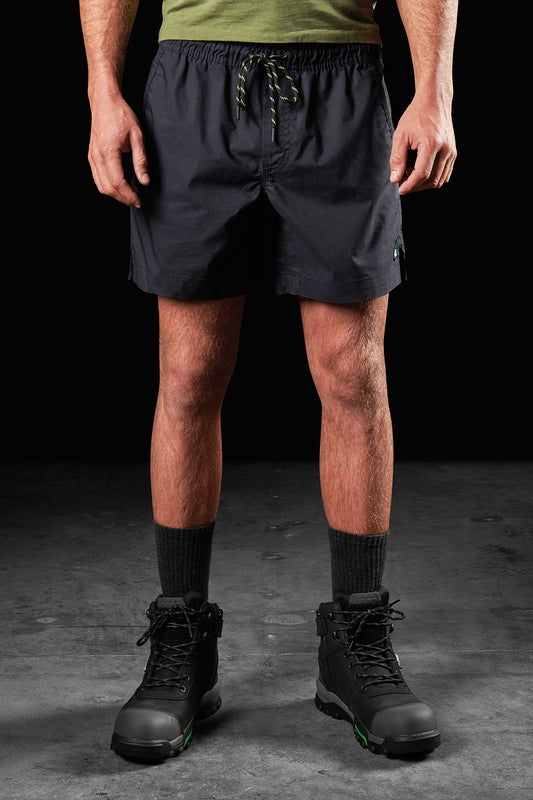


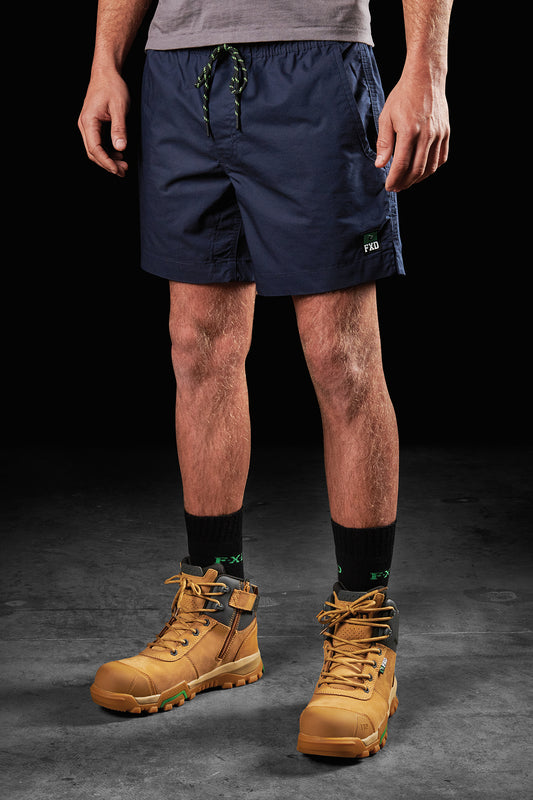
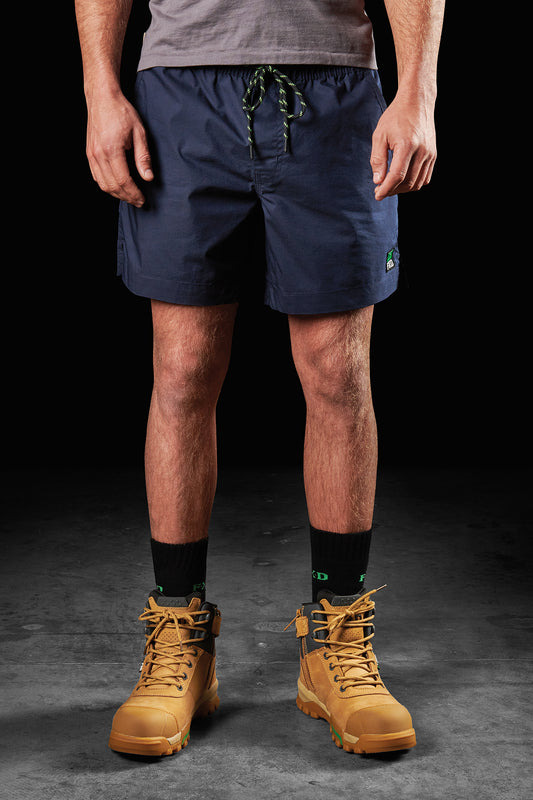


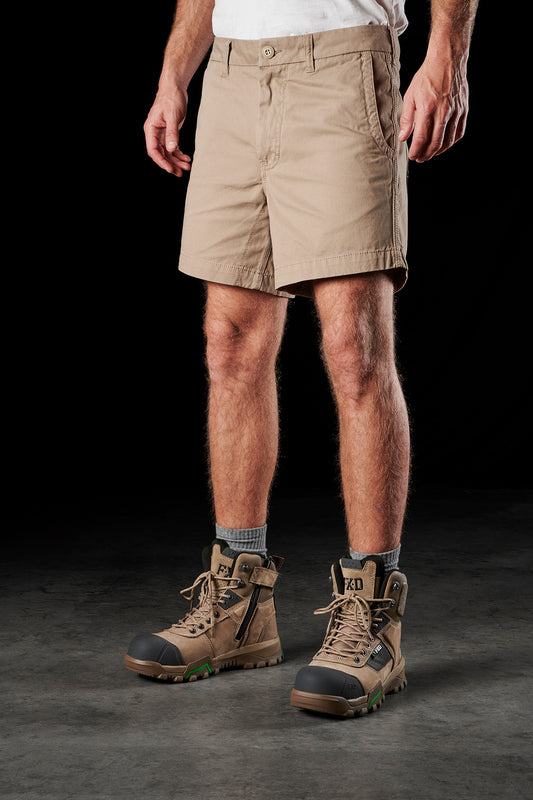
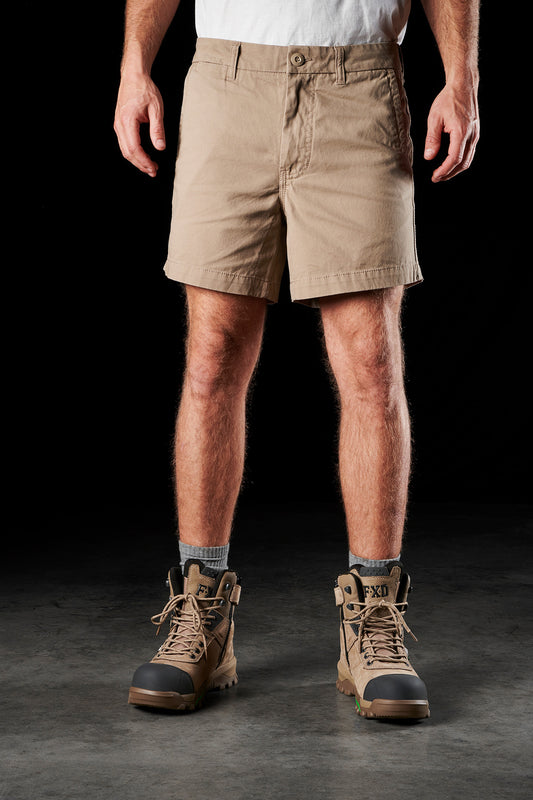


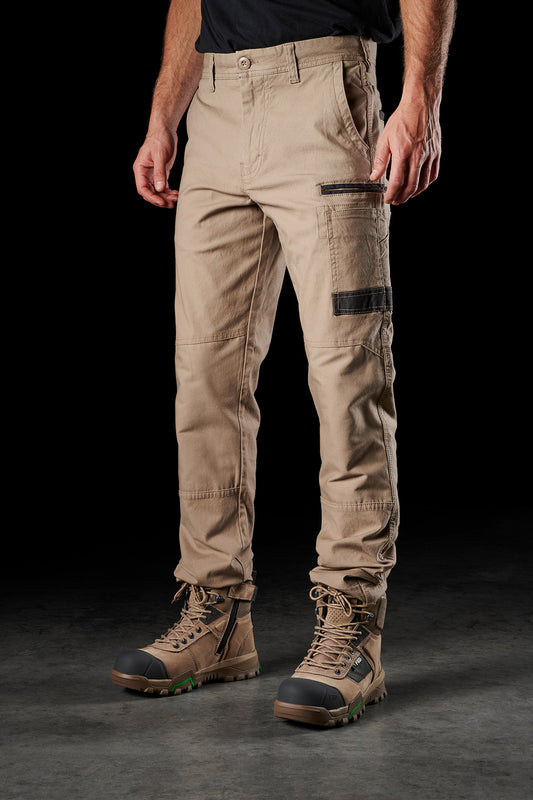
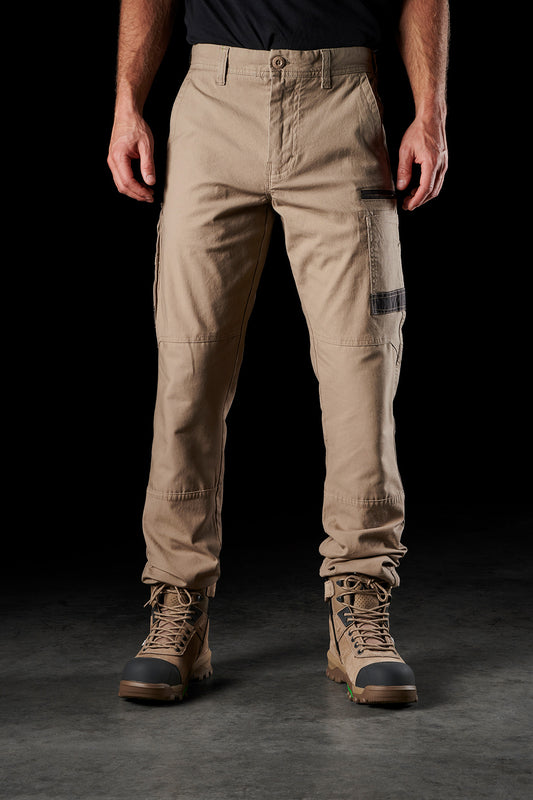






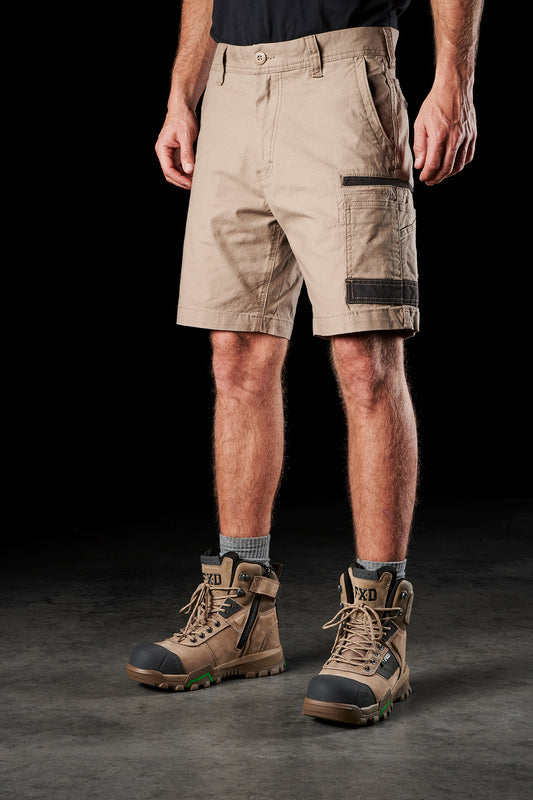
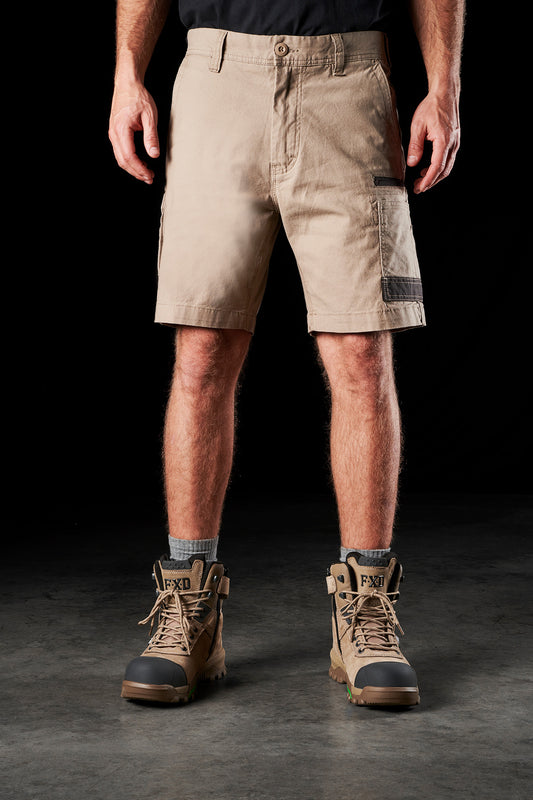


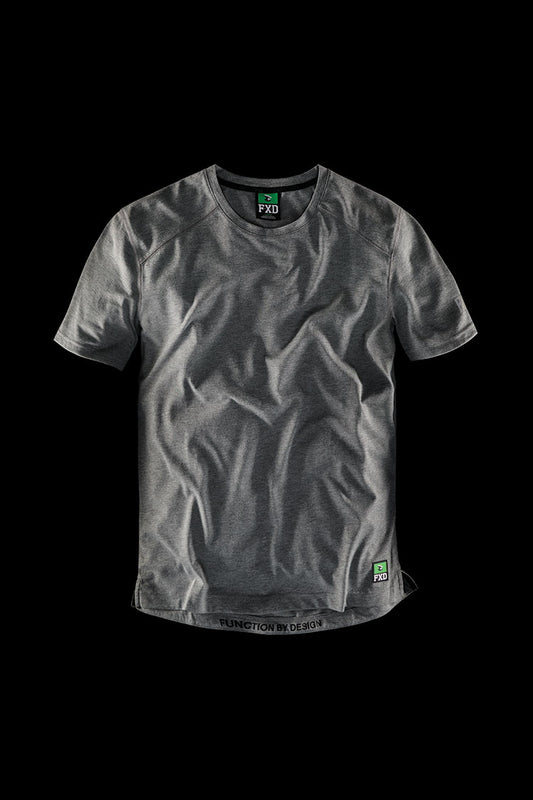
















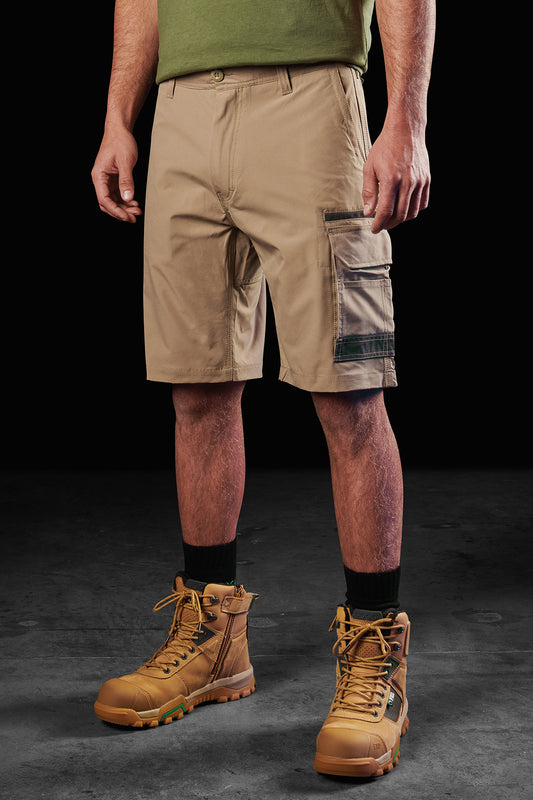
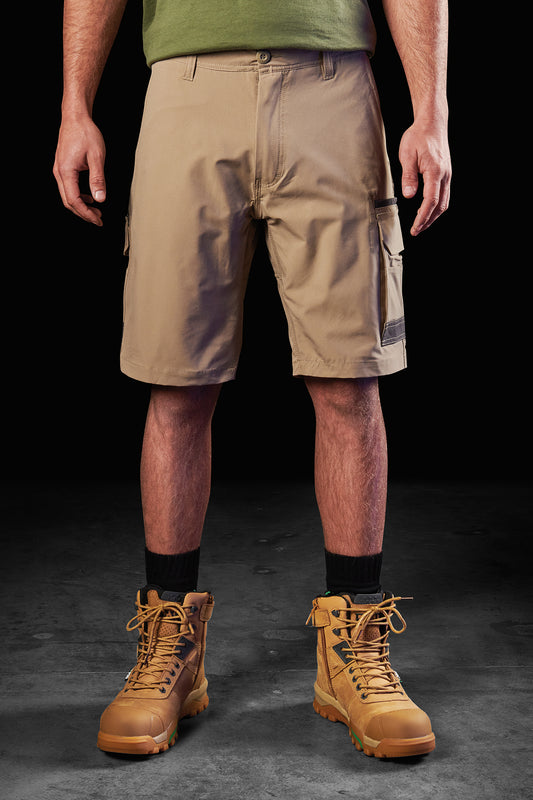


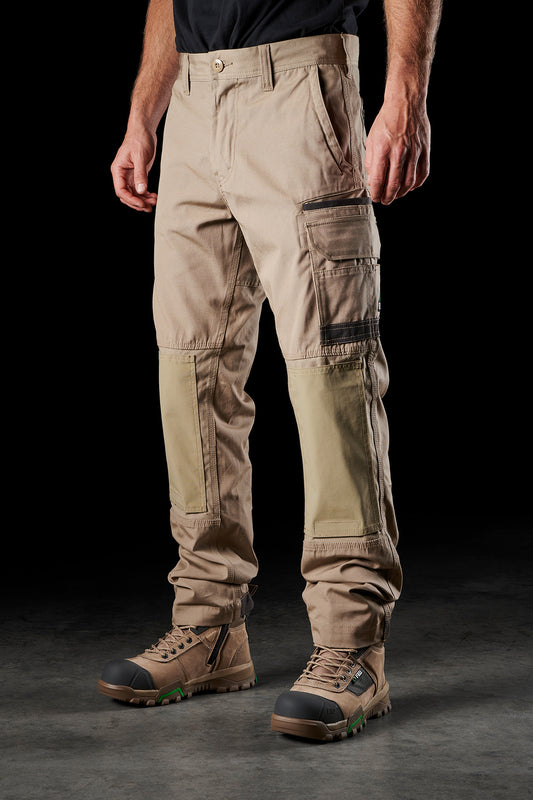
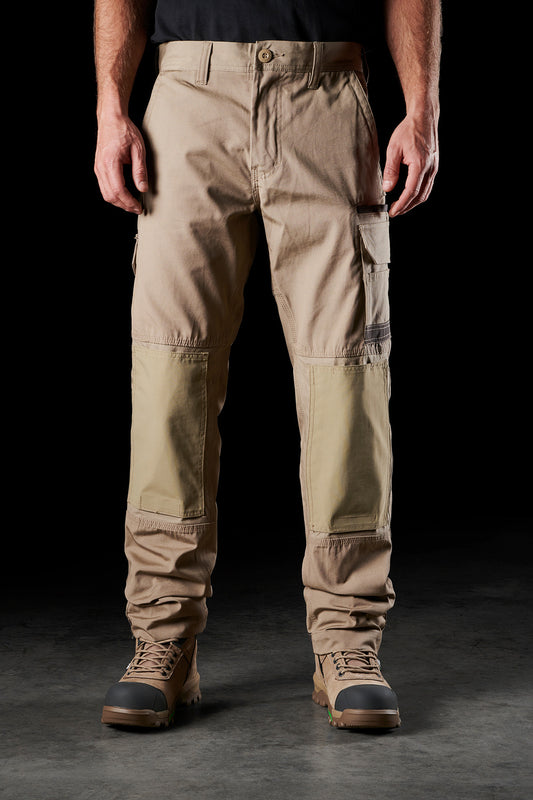










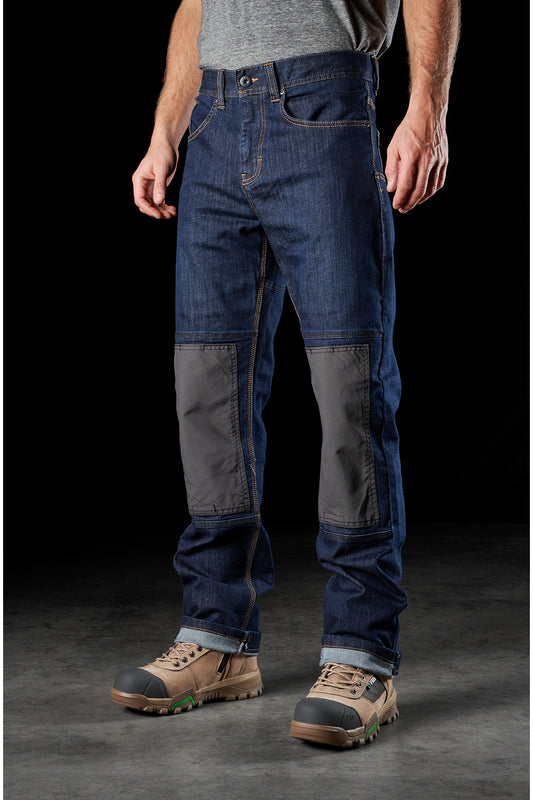
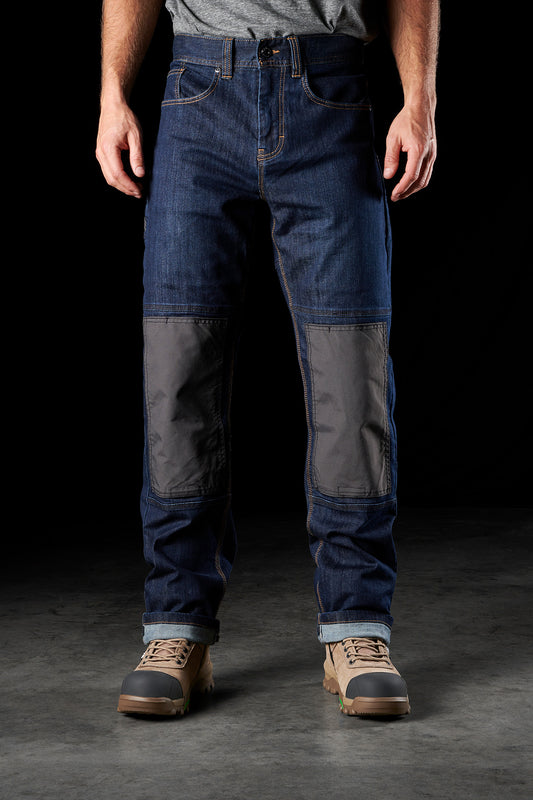


Carpentry Work Pants and Boots Built for Framing, Climbing and Constant Kneeling
Carpentry moves between framing, fit-out and finishing, and your gear needs to keep up with all of it: pockets in the right place for tools, a pant leg that stays clear of ladders and nail guns, and boots that support you climbing scaffold all day.
Carpentry Work Pants and Shorts
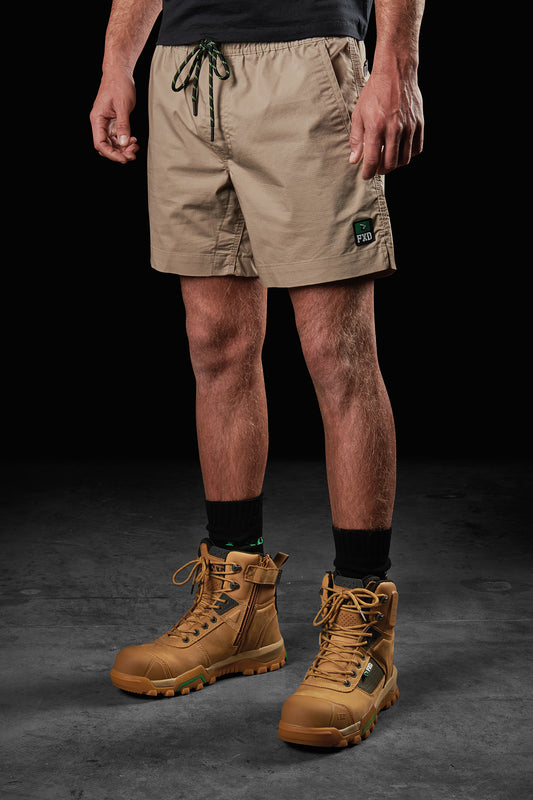
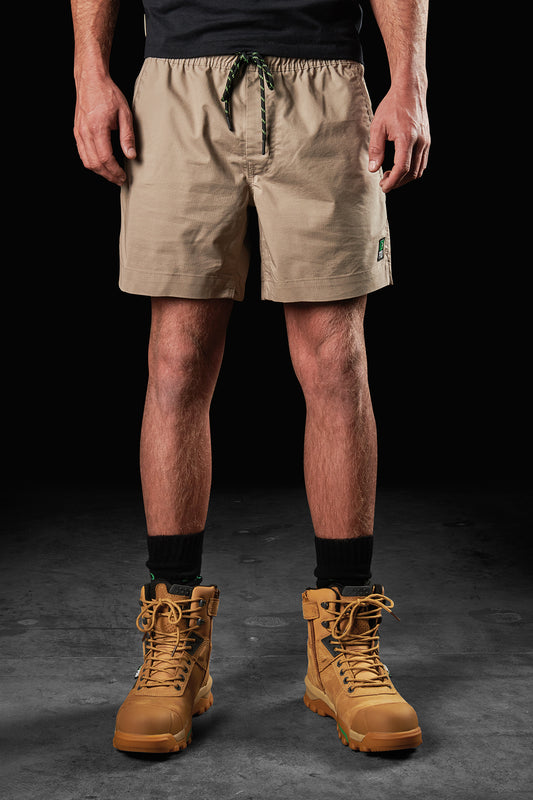
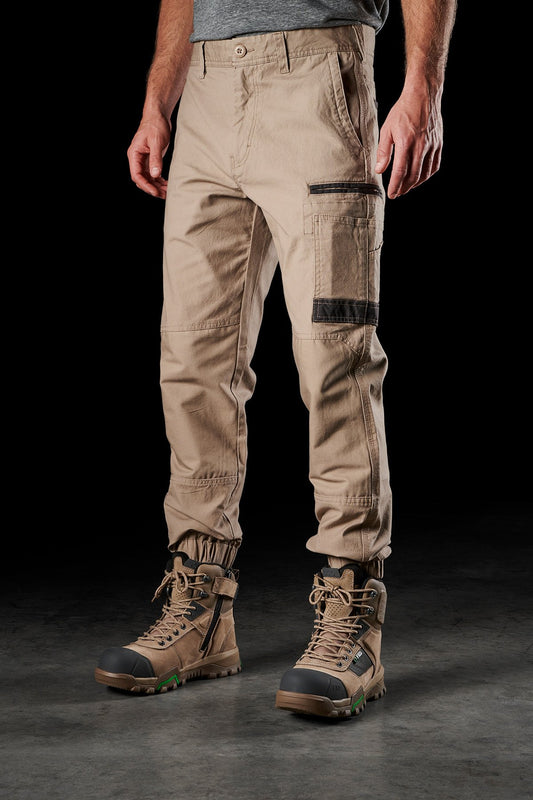
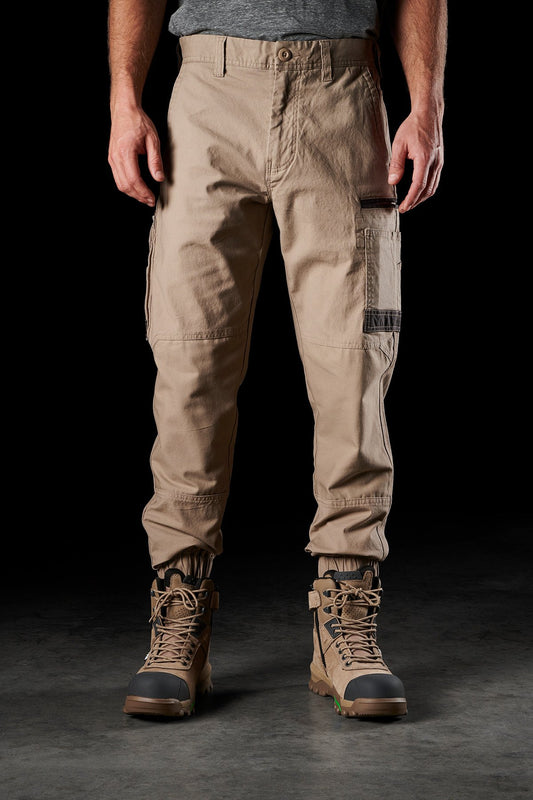
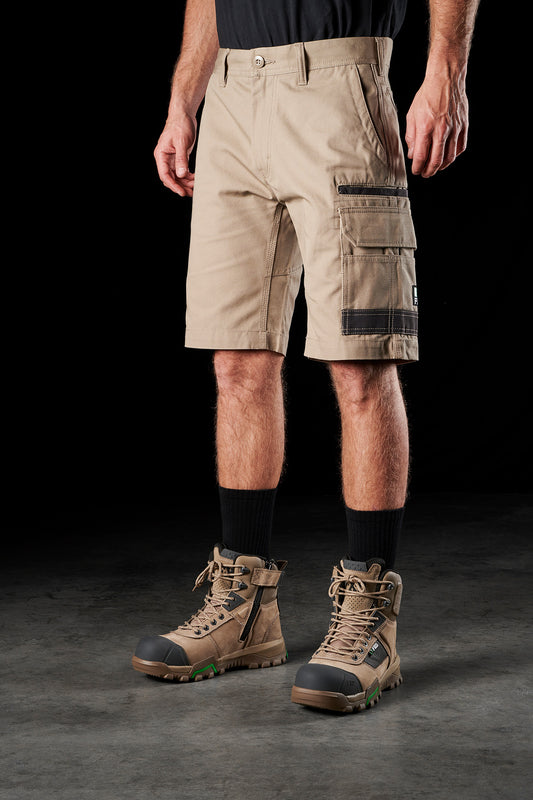
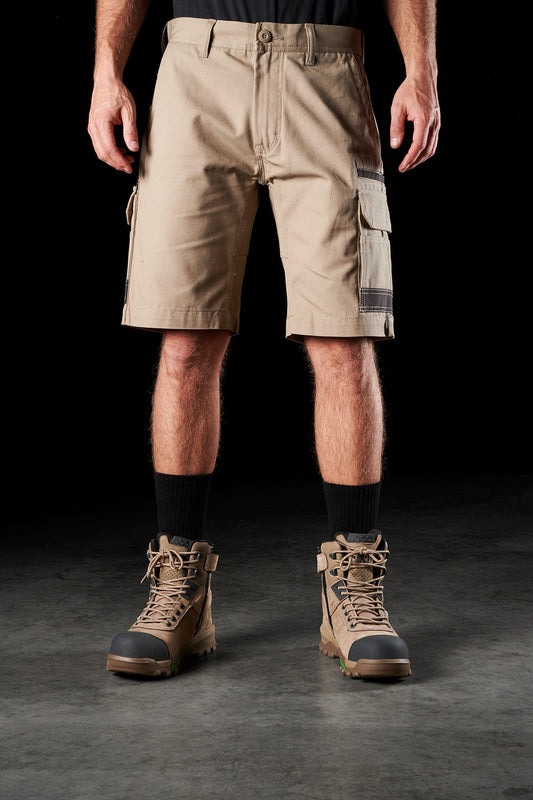
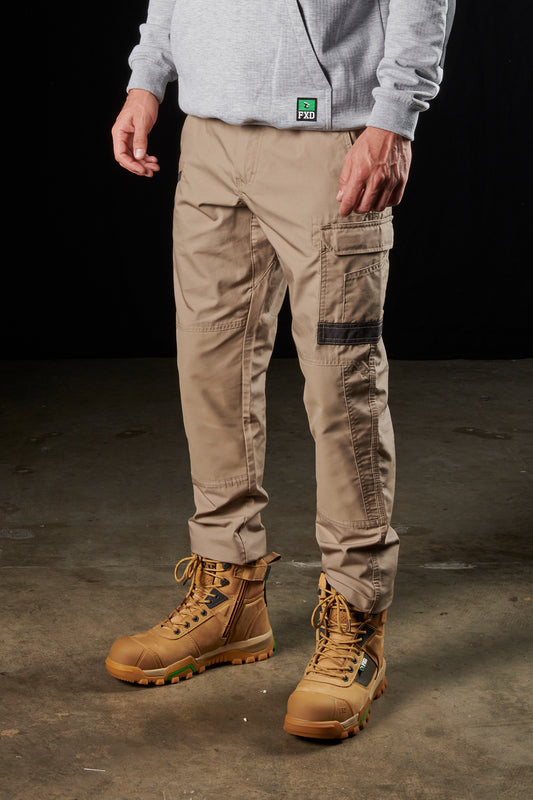
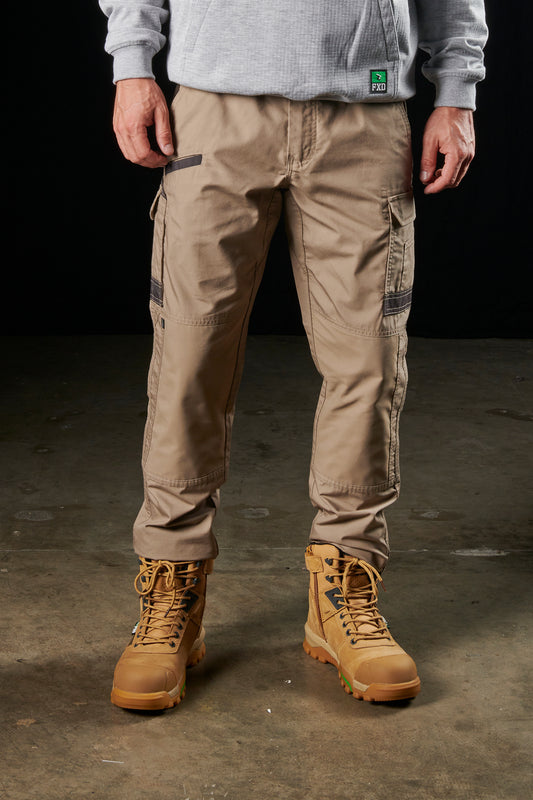
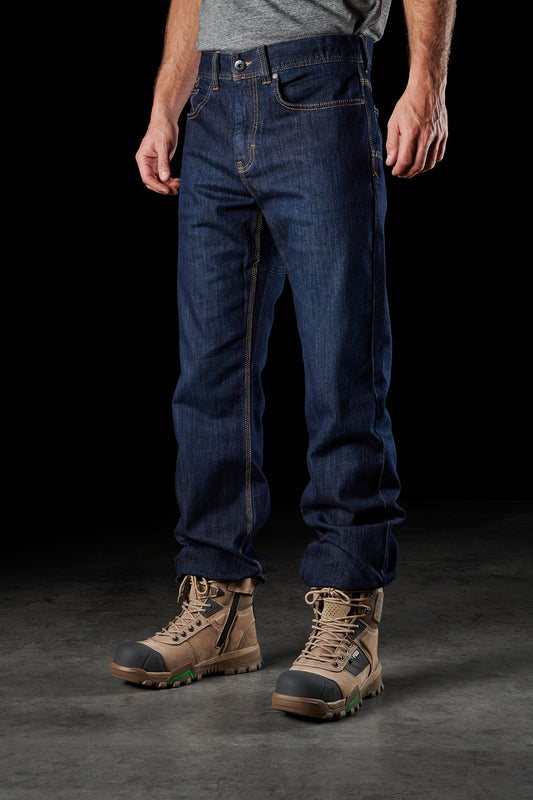
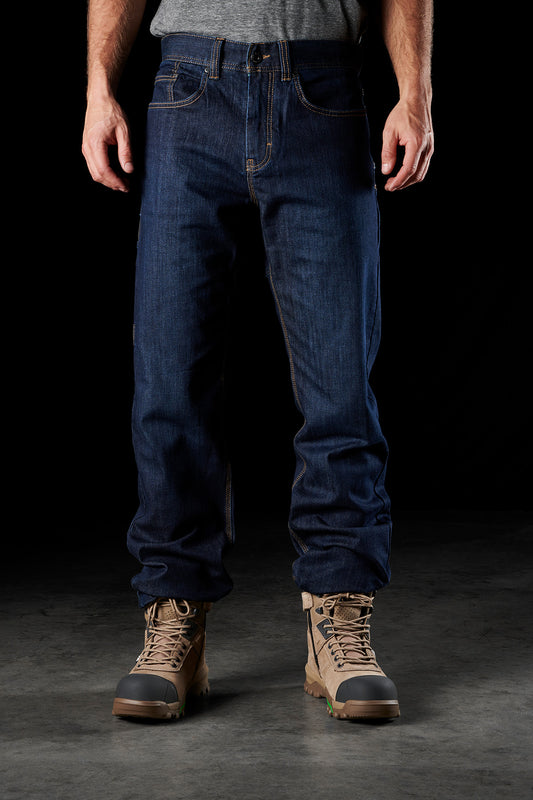
- 295GSM stretch cotton canvas with an elasticated cuff at the hem (WP.4) Keeps the leg clear of nail guns, ladders and offcuts without a fixed taper that limits fit
- Stretch back yoke and knee panels Moves with you through repeated squatting, climbing and crouching over framework
- DURA500 abrasion-resistant reinforcing Extends the life of the pant under constant contact with rough-sawn timber and stud framing
Carpentry Work Shirts and Tops
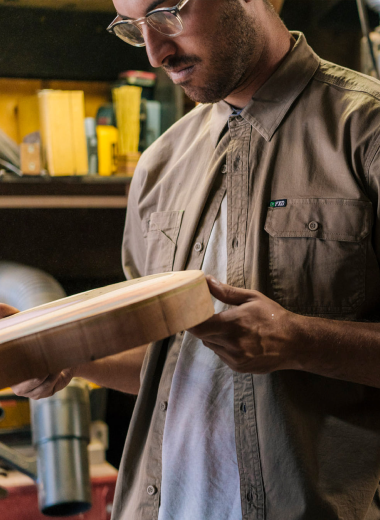
- 185GSM stretch cotton twill (LSH.1/SSH.1) A durable weight that handles daily wear without feeling stiff
- Dual button-down chest pockets Keeps a pencil, tape measure tab or notepad accessible while you're up a ladder
- Triple-needle stitched seams Withstands the reaching and swinging motion of hammer and saw work
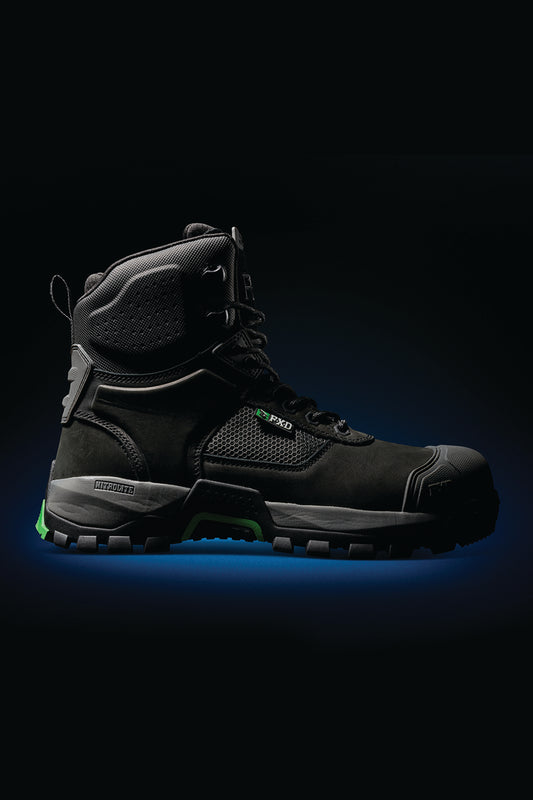
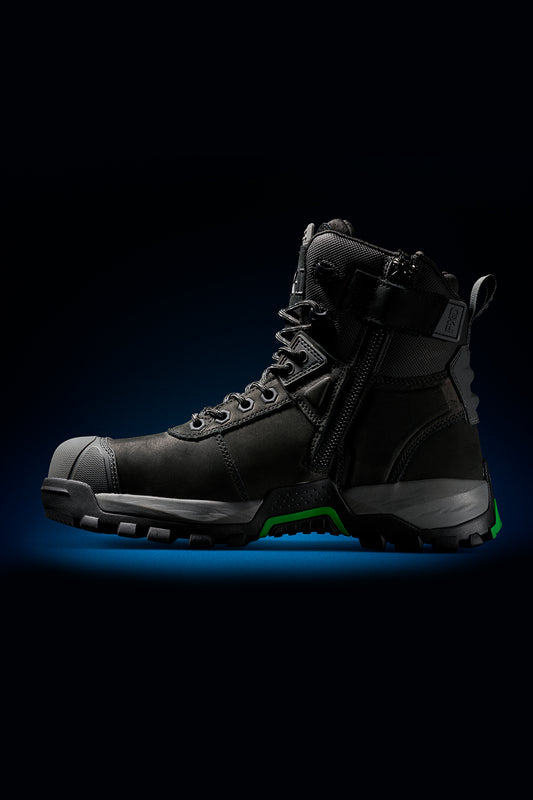
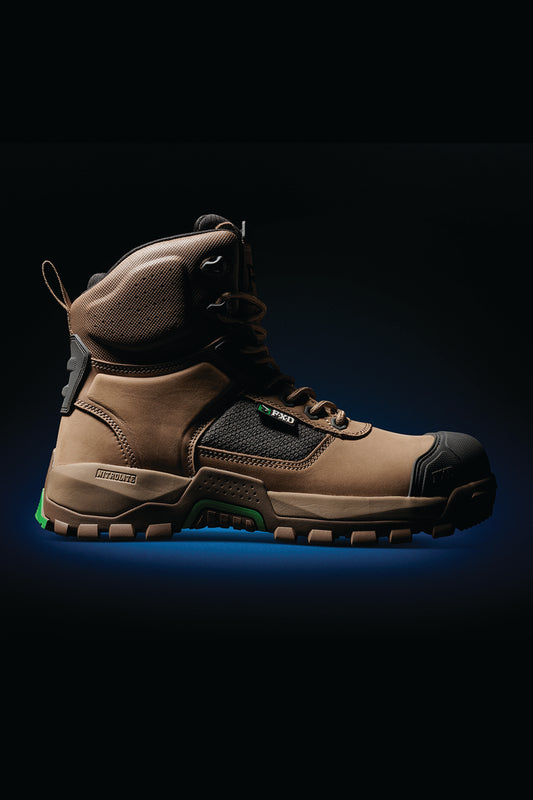
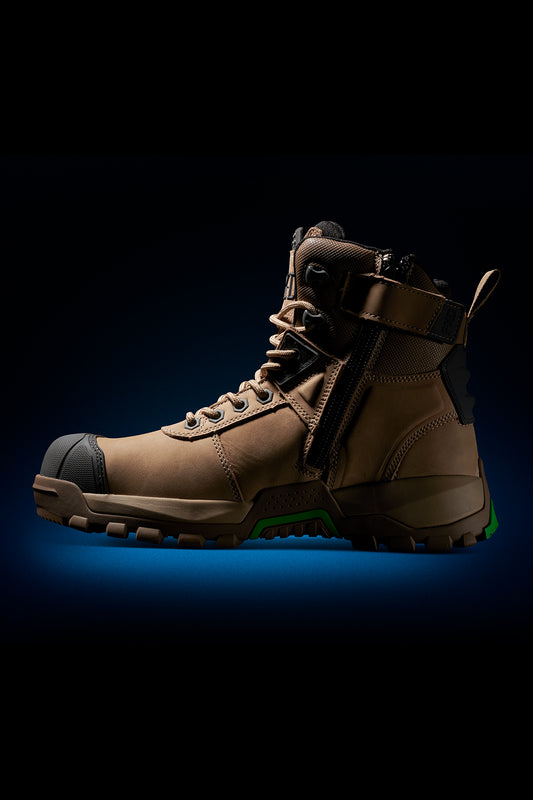
Carpentry Safety Boots
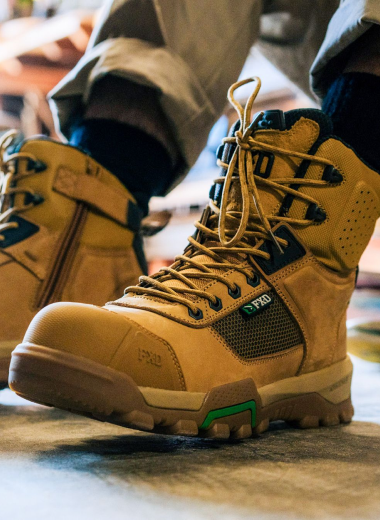
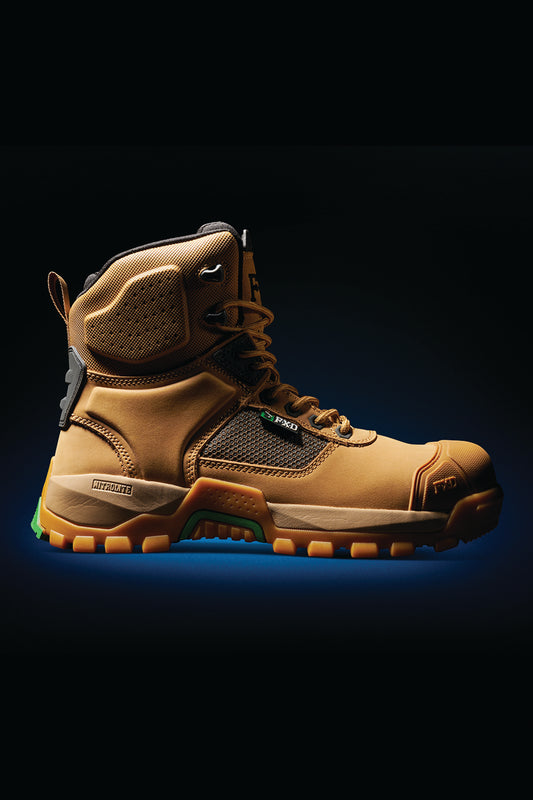
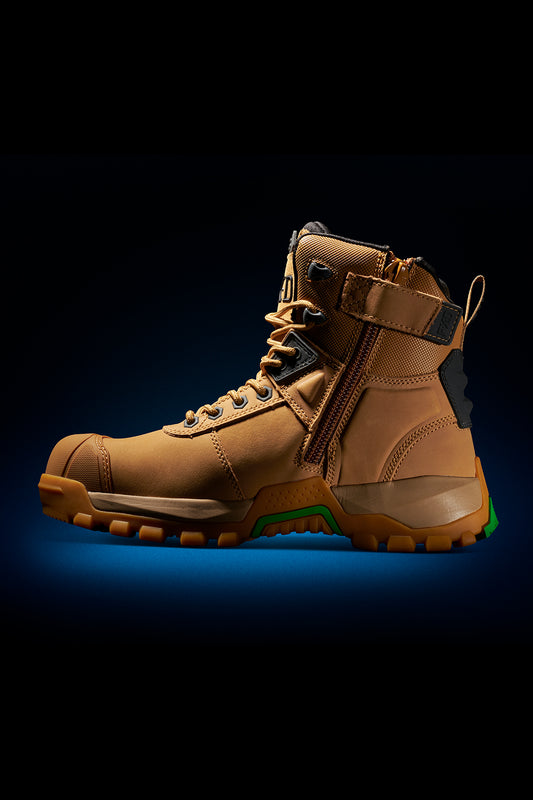
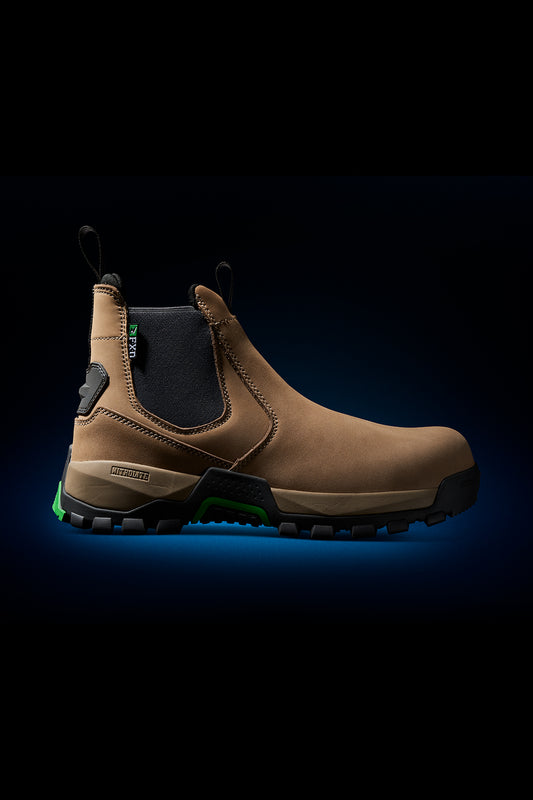
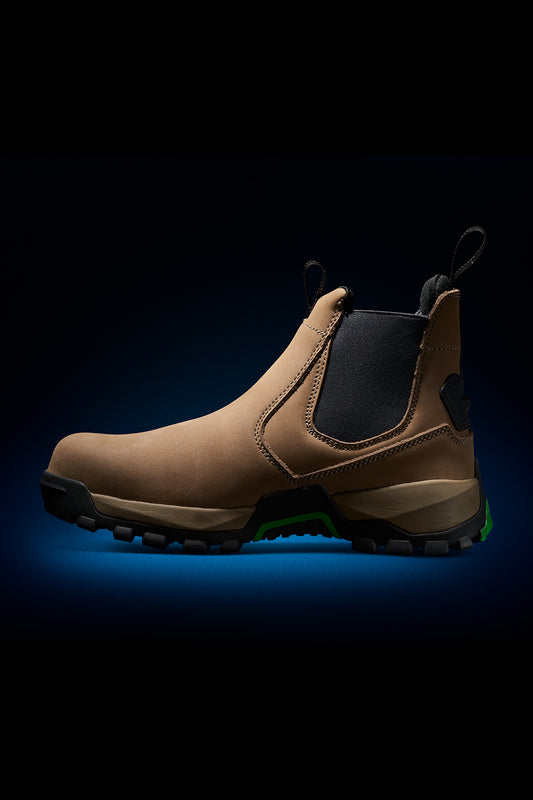
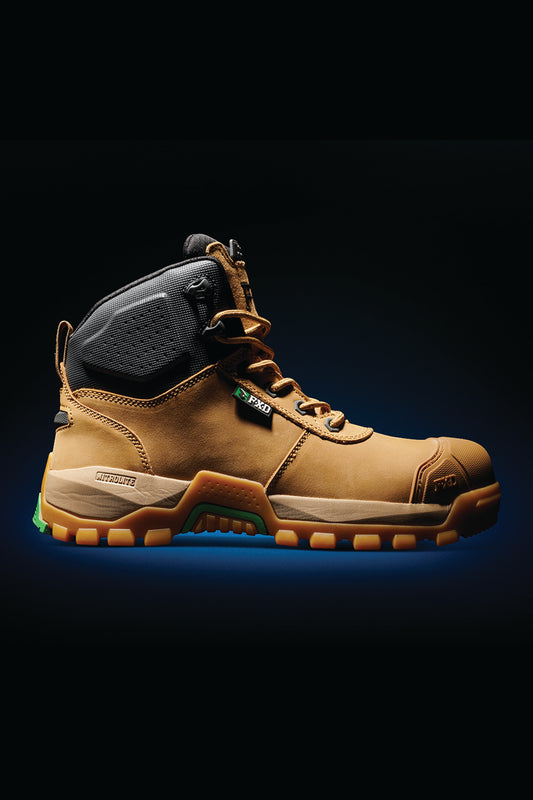
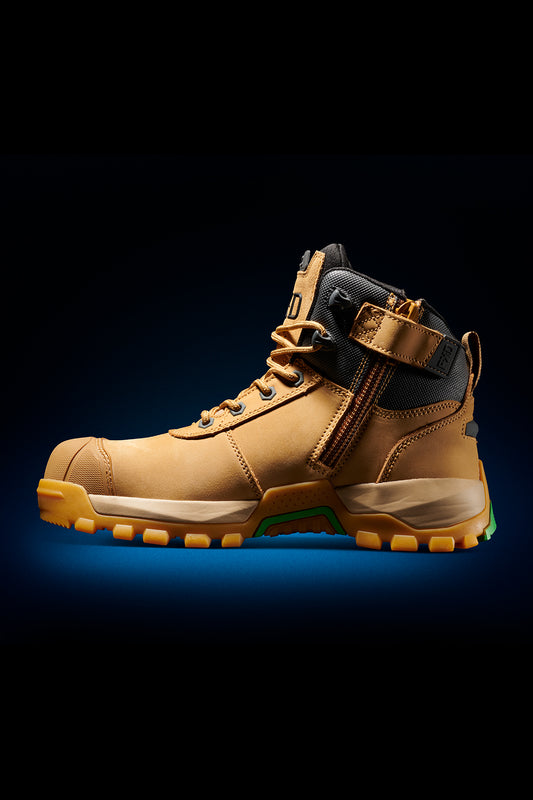
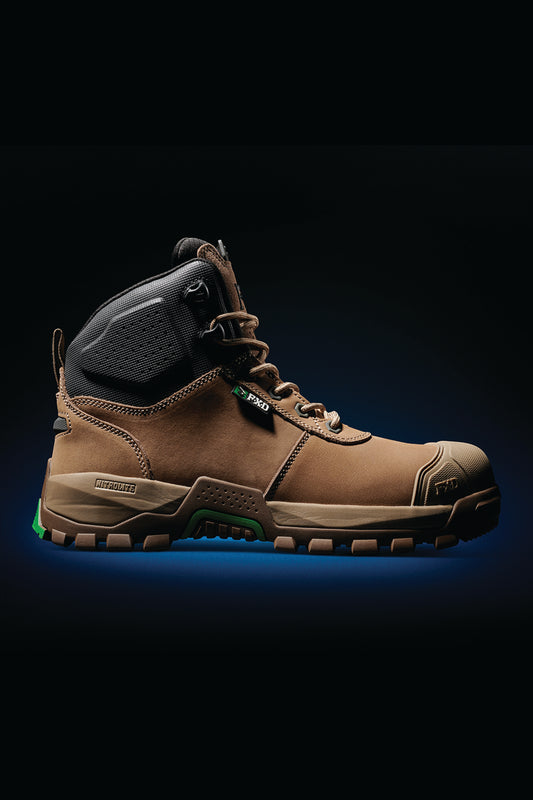
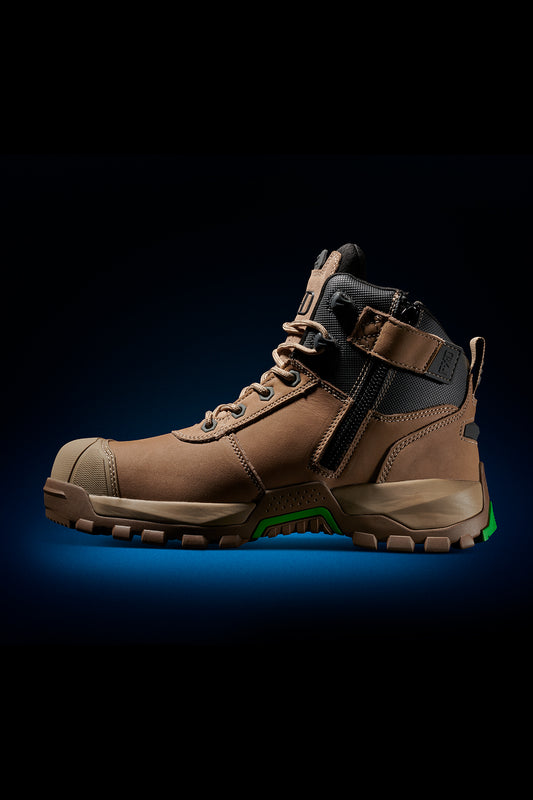
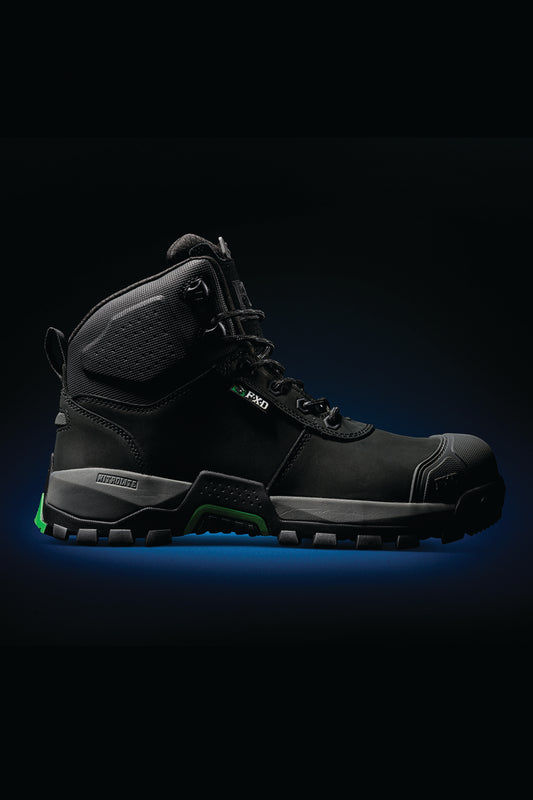
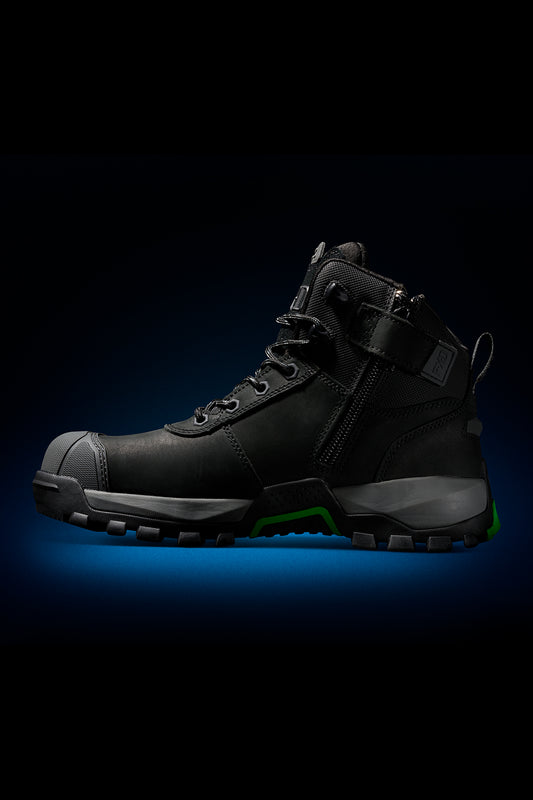
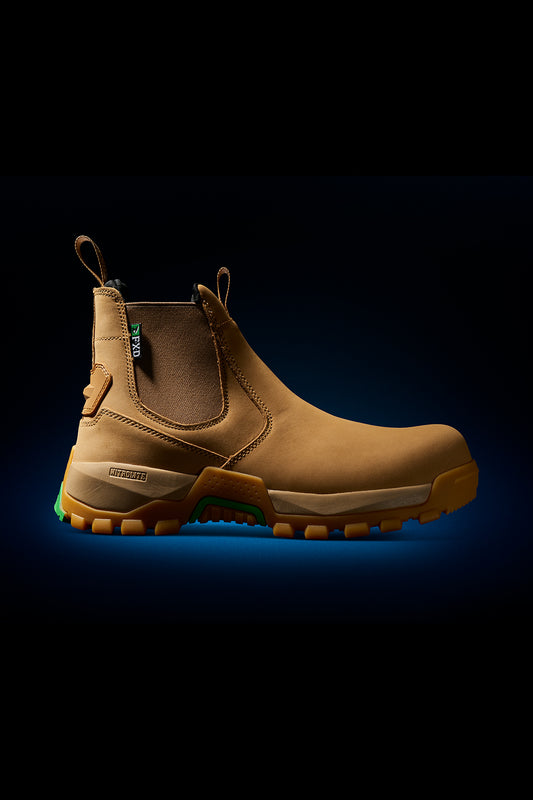
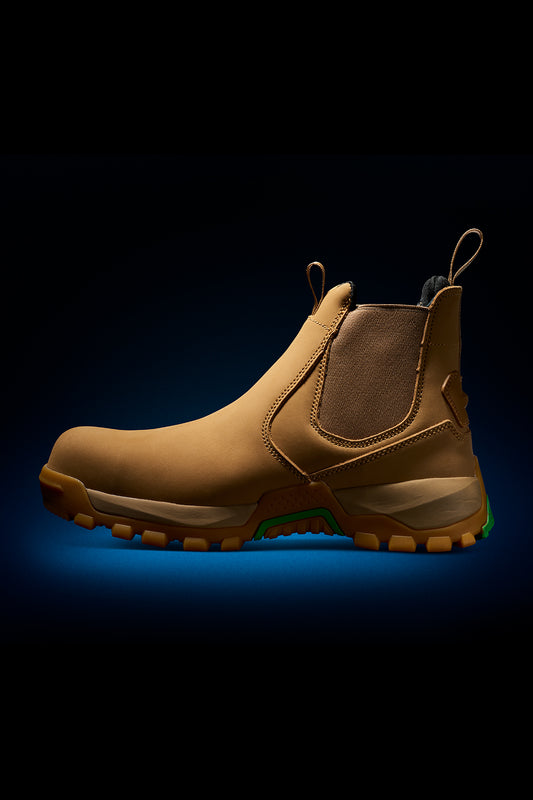
- Composite safety toe with a 62-durometer slip/oil/heat-resistant outsole (WB.2) Grips scaffold and framework surfaces without the extra weight of a steel-toe boot
- Mid-cut (4.5") NITROLITE build Balances ankle support with the flexibility needed for climbing and crouching over framework
- YKK heavy-duty coil zip Gets boots on and off quickly between site tasks
The stretch cuffed work pants range is built around exactly this leg-clearance problem. For carpenters who also handle painting or finishing work, the painter workwear range covers similar requirements.
Carpentry Workwear FAQs
Why does the carpentry pant use an elasticated cuff instead of a tapered leg?
The WP.4's elasticated cuff pulls the hem in against the ankle without needing a specific leg width, which works across a wider range of body shapes than a fixed taper and still keeps the leg clear of nail guns and ladder rungs.
Should carpenters choose a mid-cut or high-cut safety boot?
A mid-cut boot like the WB.2 gives more ankle flexibility for climbing and crouching over framework, while a high-cut boot adds more ankle support at the cost of some mobility. Most carpenters find the mid-cut better suited to the constant position changes the trade involves.
Does the carpentry pant's canvas fabric affect movement compared to a lighter ripstop pant?
The 295GSM canvas is heavier than FXD's 180 to 240GSM ripstop options, which trades some lightness for meaningfully better abrasion resistance against rough timber and framework, a trade-off that suits carpentry's constant contact with sawn material.